
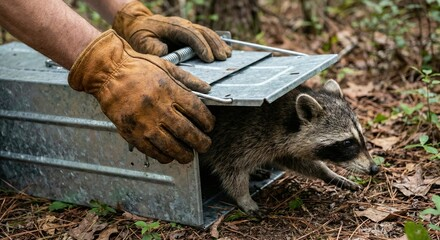
Hearing scratching sounds in your attic at night or finding your trash scattered across the yard can be unsettling. Raccoons are intelligent and persistent animals that often find their way into homes in search of shelter and food. Once inside, they can cause damage quickly. Understanding the raccoon removal process can help you respond effectively and protect your property.
Raccoon Removal Texas is not just about getting rid of the animal. It is a structured process that focuses on safe removal, damage repair, and long term prevention.
Inspection and Property Assessment
The first step in the raccoon removal process is a thorough inspection. Professionals examine the entire property to identify signs of raccoon activity.
They look for entry points such as damaged vents, gaps in the roof, or openings in crawl spaces. Inside the home, they check attics and walls for nesting areas, droppings, and damage.
This step helps determine how many raccoons are present and how they are accessing the property.
A detailed assessment ensures that the removal plan is accurate and effective.
Identifying Entry Points and Nesting Areas
After the inspection, the next step is locating all entry points and nesting spots. Raccoons often return to the same access points, so identifying these areas is critical.
Common entry points include roof edges, soffits, chimneys, and vents. Nesting areas are usually found in warm, sheltered spaces such as attics.
Understanding where raccoons are entering and living allows professionals to target the problem directly.
This step is essential for both removal and prevention.
Humane Removal Techniques
Once the problem areas are identified, humane removal methods are used. These techniques focus on safely removing raccoons without causing harm.
Exclusion devices are commonly used. These allow raccoons to leave the space but prevent them from reentering.
In some cases, traps may be used to capture raccoons. These are handled carefully and in accordance with regulations.
Special care is taken if there are baby raccoons present. They may need to be removed and relocated with the mother.
Humane methods ensure a safe and ethical solution.
Securing and Sealing Entry Points
After the raccoons have been removed, sealing entry points is one of the most important steps. Without this, new animals can easily return.
Professionals repair damaged areas and reinforce vulnerable spots. This may include fixing vents, sealing gaps, and installing protective barriers.
This step helps ensure that the problem does not happen again.
Proper sealing is key to long term success.
Cleaning and Sanitizing Affected Areas
Raccoons can leave behind waste, nesting materials, and odors that affect both cleanliness and health. Cleaning is an essential part of the process.
Professionals remove contaminated materials such as insulation and debris. The area is then sanitized to eliminate bacteria and odors.
This step helps restore the space and improves indoor air quality.
Proper cleaning also prevents future attraction of pests.
Damage Repair and Restoration
In many cases, raccoons cause damage to structures such as roofs, insulation, and wiring. Repairing this damage is part of the overall process.
Professionals restore affected areas to their original condition. This may involve replacing insulation, repairing wood, or fixing structural components.
Addressing damage ensures that your home remains safe and functional.
Restoration also improves the overall appearance of the affected space.
Preventive Measures and Recommendations
Prevention is a key part of raccoon removal. Professionals often provide recommendations to help reduce the risk of future infestations.
This may include securing trash bins, trimming tree branches near the roof, and maintaining the exterior of the home.
Improving drainage and eliminating food sources can also discourage raccoons from returning.
Taking these steps helps protect your property over the long term.
When to Call a Professional
Raccoons can be unpredictable and may become aggressive if they feel threatened. Attempting to remove them on your own can be risky.
If you notice persistent noise, visible damage, or signs of nesting, it is best to call a professional.
Experts have the tools and experience needed to handle the situation safely and effectively.
Early intervention can prevent further damage and reduce costs.
How Long the Process Takes
The duration of the raccoon removal process depends on the severity of the problem. Simple cases may be resolved within a few days.
More complex situations, especially those involving multiple animals or repairs, may take longer.
Factors such as weather, accessibility, and the condition of the property can also affect the timeline.
Understanding the timeline helps set realistic expectations.
Final Thoughts
The raccoon removal process is a comprehensive approach to solving wildlife problems. From inspection and removal to cleaning and prevention, each step is designed to protect your home and ensure long term results.
By understanding how the process works, you can take action quickly and avoid unnecessary damage. Professional removal not only addresses the immediate issue but also helps prevent future infestations.
In the end, raccoon removal is about more than removing an animal. It is about restoring safety, protecting your property, and creating a secure environment for your home.